


Boost Rotational Skills with a Figure Skating Trainer
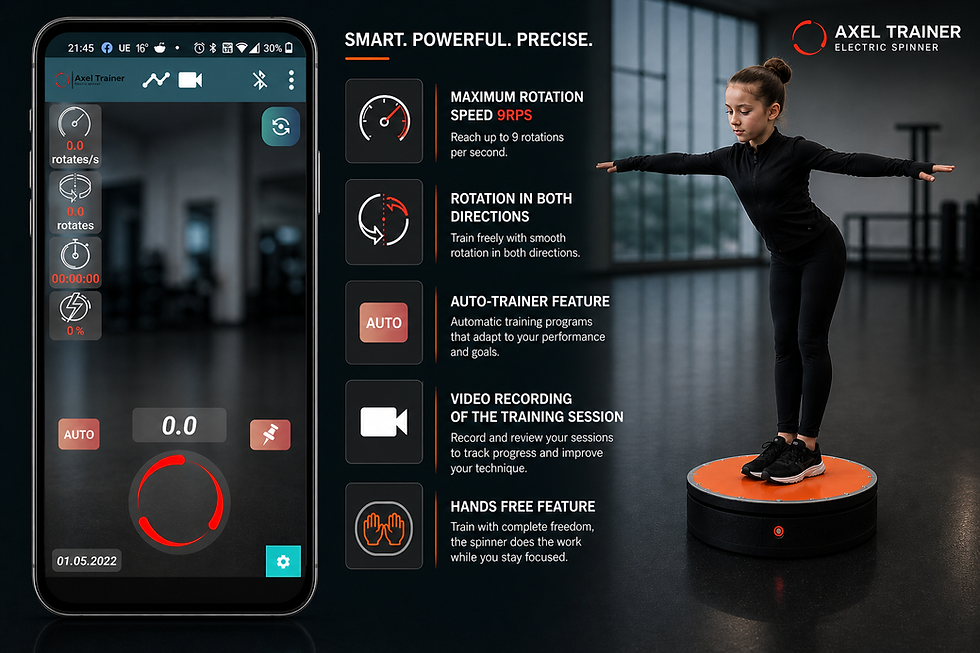
Mastering rotations is a key part of excelling in figure skating, gymnastics, and ballet. Whether you’re working on your spins, jumps, or turns, improving your rotational skills can make a huge difference in your performance. Over the years, I’ve discovered that off-ice training tools can be game changers. One such tool that stands out is the axel trainer. It’s designed to help you build balance, control, and confidence before you even step on the ice or stage.
In this post, I’ll share practical tips and insights on how to boost your rotational skills using a figure skating trainer. I’ll also dive into some common questions and myths, including whether Ilia Malinin is the only person to land a quad axel. Let’s get started!
Why Use a Figure Skating Trainer for Rotational Skills?
When you think about rotations in figure skating or ballet, balance and control are everything. The faster and cleaner your spins and jumps, the better you look and the higher your scores or evaluations. But practicing these moves on ice or stage can be risky and exhausting. That’s where a figure skating trainer comes in.
A figure skating trainer is a device that helps you practice rotations off the ice. It allows you to focus on your balance, spotting, and body alignment without the pressure of landing on blades or a stage floor. Using this tool regularly can:
Improve your core strength and stability
Help you develop muscle memory for proper rotation technique
Increase your confidence in performing spins and jumps
Reduce the risk of injury by allowing safe practice
For example, when I first started using a figure skating trainer, I noticed my spins became smoother and my landings more controlled. It gave me the chance to focus on the mechanics of rotation without worrying about falling.

How to Incorporate a Figure Skating Trainer into Your Routine
Adding a figure skating trainer to your training routine is easier than you might think. Here’s a simple step-by-step guide to get the most out of it:
Warm up properly: Before using the trainer, do some light cardio and stretching to prepare your muscles. This helps prevent injury and improves flexibility.
Start slow: Begin with basic rotations and focus on your balance. Use the trainer to practice one or two turns at a time.
Focus on spotting: Spotting is the technique of fixing your gaze on a point while spinning to maintain balance. Use the trainer to practice this without distractions.
Increase speed gradually: As you get comfortable, increase the speed and number of rotations. The trainer allows you to build up safely.
Combine with off-ice exercises: Strengthen your core and legs with exercises like planks, squats, and jumps to support your rotational skills.
Consistency is key. Even 10-15 minutes a day on the figure skating trainer can lead to noticeable improvements in a few weeks.
Is Ilia Malinin the only person to land a quad axel?
The quad axel is one of the most difficult jumps in figure skating. It requires four and a half rotations in the air before landing. Ilia Malinin made headlines by landing the first quad axel in competition, a historic achievement that pushed the sport’s boundaries.
But is he the only person to have landed it? As of now, Ilia Malinin is the only skater to have successfully landed a quad axel in an official competition. This jump demands incredible strength, speed, and precision. It’s a testament to how far training and technology, including off-ice tools like the axel trainer, have come.
For most skaters, mastering the single and double axel is the foundation before even attempting triples or quads. Using a figure skating trainer can help build the rotational control and confidence needed to progress safely toward these advanced jumps.

Practical Tips to Maximize Your Rotational Training
To get the best results from your rotational training, here are some practical tips I’ve found useful:
Use mirrors or video feedback: Watching yourself spin helps you spot mistakes and adjust your form.
Practice spotting consistently: Always pick a fixed point to focus on during spins. This reduces dizziness and improves balance.
Engage your core: Strong abdominal and back muscles stabilize your body during rotation. Include core workouts in your routine.
Work on ankle and foot strength: These areas control your takeoff and landing. Exercises like calf raises and balance drills help.
Stay relaxed: Tension can throw off your balance. Practice breathing and staying calm during spins.
Remember, progress takes time. Celebrate small improvements and stay patient with your training.
Why Off-Ice Training is Essential for Rotational Skills
Many people underestimate the value of off-ice training. But it’s a crucial part of developing strong rotational skills. On-ice or on-stage practice is important, but it can be physically demanding and sometimes risky. Off-ice training allows you to:
Practice more frequently without fatigue
Focus on technique without distractions
Build strength and flexibility in a controlled environment
Prevent injuries by strengthening supporting muscles
The axel trainer is designed to be a go-to solution for off-ice training. It helps figure skaters, gymnasts, and ballet dancers improve their balance and rotation from home. This means you can train anytime, anywhere, and come back to your on-ice or on-stage practice feeling stronger and more confident.
If you want to boost your rotational skills, incorporating off-ice tools like this into your routine is a smart move.
Taking Your Rotations to the Next Level
Improving your rotations is a journey. Using a figure skating trainer can accelerate your progress and make training safer and more effective. Here’s a quick checklist to help you take your rotations to the next level:
Commit to regular off-ice training sessions
Focus on balance, spotting, and core engagement
Use video or mirrors to monitor your form
Combine rotational practice with strength and flexibility exercises
Be patient and celebrate your progress
With dedication and the right tools, you’ll notice your spins and jumps becoming more controlled and impressive. The confidence you build off the ice or stage will shine through in your performances.
If you’re serious about improving your rotational skills, consider adding a figure skating trainer to your training gear. It’s a practical, effective way to boost your balance and control, helping you reach your full potential.
I hope these tips inspire you to take your rotational skills seriously and explore off-ice training options. Remember, every great skater, gymnast, or dancer started with the basics. With the right approach and tools, you can master your rotations and perform with confidence.


Comments